


SAP EWM with RFUI is an advanced solution designed to manage complex and large-scale warehouse operations across various industries. It offers a wide range of features and functionalities that enable warehouse workers to perform tasks using handheld devices such as barcode scanners, RFID readers, and mobile computers.
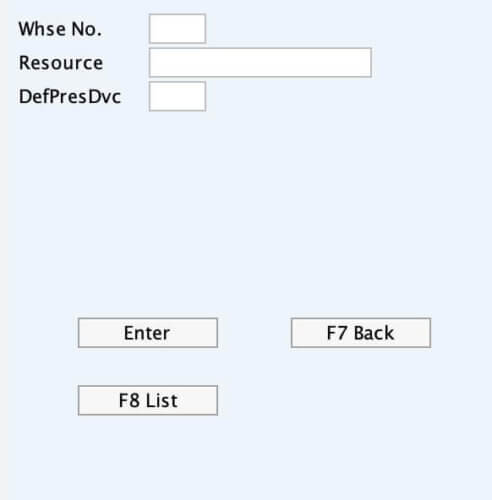
RFUI Login Screen
The RFUI is a critical component of SAP EWM, providing a user-friendly interface that guides workers through the entire warehouse management process, from goods receipt to shipping finished products. Its intuitive and interactive user interface ensures that inventory data is updated in real-time, providing businesses with accurate and timely information. The RFUI supports various inventory management functions, such as cycle counting and inventory adjustments, enabling warehouse workers to update inventory records in real time, minimizing discrepancies and improving the accuracy of inventory data.
The RFUI also supports advanced picking strategies, such as wave picking and pick pack pass process, which enables workers to optimize the picking process and reduce the time required to complete orders. When items are picked, the RFUI displays task instructions and directs workers to the correct locations, allowing them to quickly and efficiently pick the required items.
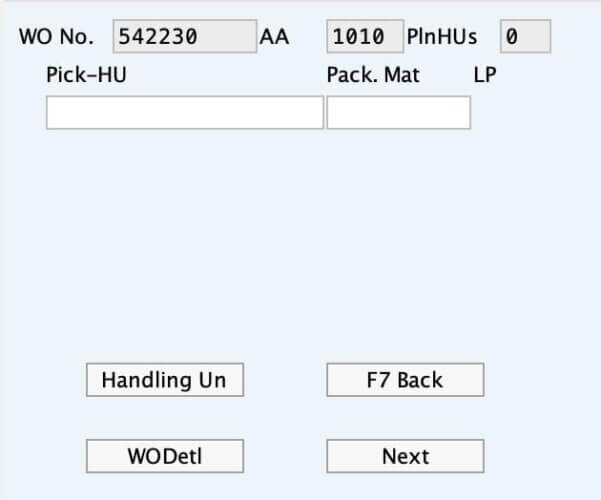
Standard RFUI Pick-HU screen
RFUI offers advanced reporting and analytics capabilities, enabling businesses to gain real-time visibility into warehouse activities and make data-driven decisions. The system provides a range of pre-built reports and functionalities, and it is possible to create custom tools in the RF framework for customer-specific scenarios.
RFUI also supports cross-docking, a process that enables the goods received to be transferred directly to outbound destinations without being stored in the warehouse, saving time and reducing the handling of goods. Furthermore, RFUI supports value-added services (VAS), which enables warehouse workers to perform additional services such as labeling, kitting, and assembly. This feature ensures that the goods are ready for sale when they leave the warehouse, reducing lead times and enhancing customer satisfaction.
In conclusion, the RFUI is an indispensable tool for businesses that want to streamline their warehouse operations and boost their supply chain efficiency. The advanced functionalities and intuitive interface of SAP EWM with RFUI make it a powerful solution that is suitable for businesses of all sizes and industries. Its ability to support various inventory management functions and advanced picking strategies, combined with its reporting and analytics capabilities, make it a comprehensive solution for warehouse management. Whether it is manufacturing, retail, or eCommerce, businesses can leverage RFUI's features to optimize their warehouse operations and gain a competitive edge.

SAP EWM Consultant
Your mail has been sent successfully. You will be contacted as soon as possible.
Your message could not be delivered! Please try again later.