

Business configurations in SAP refer to the setup and customization of various business processes and functions to meet specific organizational requirements. These configurations can range from simple data entries to complex process workflows. The flexibility of business configurations allows organizations to adapt the software to their unique needs without extensive coding or technical modifications. In the new systems, Custom Business Configurations and Maintenance Objects are used instead of SM30 maintenance tables, as they are more user-friendly and easier to work with.
Maintenance Objects are fundamental components within the SAP system that manage and maintain specific data sets. These objects can represent various business entities such as products, customers, or suppliers. By configuring Maintenance Objects, businesses ensure that their data remains structured, consistent, and easily accessible for operational needs.

Every business has unique processes and requirements that may not be fully addressed by standard software solutions. Customizing business configurations in Fiori enables companies to tailor the software to their needs, helping them manage operations more effectively. This customization can lead to more accurate data, streamlined processes, and enhanced decision-making capabilities.

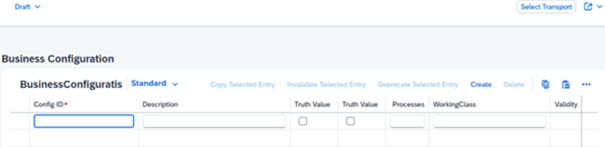
Maintenance Objects provide a structured approach to managing and maintaining business data while ensuring consistency and accuracy.
By customizing configurations, businesses can streamline workflows and reduce the time spent on manual data entry and maintenance tasks.
Well-managed and accurate data facilitates better analysis and reporting, supporting data-driven decision-making.
Custom configurations ensure that users have access to the necessary tools and information, enhancing their overall experience and productivity.
SAP Fiori and Custom Business Configurations offer a powerful platform for businesses to adapt their software solutions to their unique needs. Creating Maintenance Objects is a crucial aspect of this customization process, enabling efficient data management and enhanced operational efficiency. By leveraging these tools, companies can improve workflows, support better decision-making, and ultimately achieve greater success in their operations. For those new to SAP Fiori or looking to optimize existing configurations, understanding the fundamentals of Custom Business Configurations and Maintenance Objects is the first step in unlocking the full potential of business processes.

SAP Fiori Consultant
Emrah Tezcan, who serves as an SAP ABAP & Fiori Consultant at MDP Group, is a highly skilled SAP expert developing enterprise solutions based on ABAP Cloud and the RAP (RESTful ABAP Programming Model) on the S/4HANA architecture. With deep expertise in extensibility approaches aligned with the Clean Core strategy, HANA Output Management, Adobe Forms, and Flexible Workflow processes, Tezcan takes end-to-end responsibility across the entire software development lifecycle (SDLC), from analysis and design to testing/UAT, go-live, and post-production support.
Your mail has been sent successfully. You will be contacted as soon as possible.
Your message could not be delivered! Please try again later.