

Modern businesses increasingly require complex IT infrastructures due to the demands for data integration and real-time data processing. At this point, the integration of powerful tools like SAP Process Orchestration (PO) and Google Pub/Sub can provide significant benefits to business processes. In this blog post, we will explore what SAP PO and Google Pub/Sub integration does, how it works, and the advantages it offers to your business.
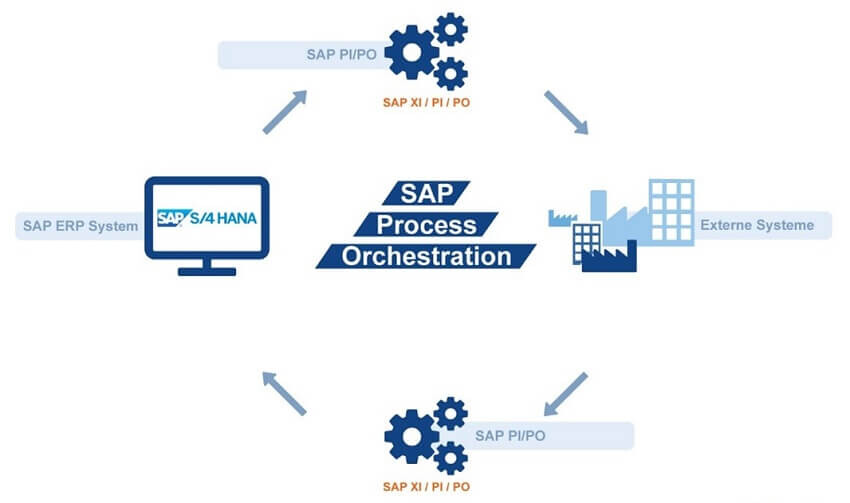
SAP PO (Process Orchestration) is an integration platform used to automate, manage, and monitor business processes. SAP PO facilitates data exchange between various systems and applications, making business processes more efficient.
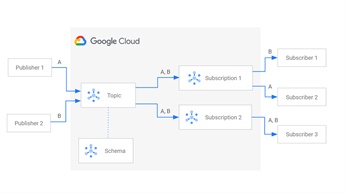
Google Pub/Sub is a messaging service operating on the Google Cloud Platform, which performs tasks using a queuing mechanism. Pub/Sub utilizes a publish-subscribe model to ensure reliable and scalable data transmission. This service supports real-time data flow between applications.
The integration of SAP PO and Google Pub/Sub combines SAP PO’s robust integration capabilities with Google Pub/Sub’s flexible messaging features. Here’s how this integration works:
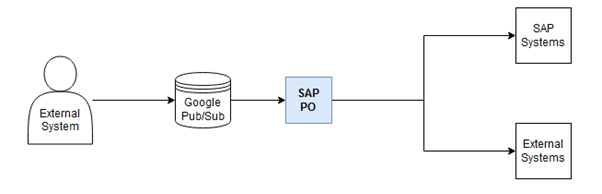
This powerful trio – External System, Google Pub/Sub, and SAP PO – doesn’t just offer your business a more dynamic and flexible process management, it elevates your operations to the next level. By combining this trio with your external systems, you can monitor every step of your business processes in real-time and seamlessly manage all transactions using Google Pub/Sub’s advanced queuing mechanism. The result? Accelerated processes, enhanced operational efficiency, smoother workflows, and elevated customer satisfaction. With this integration, you can experience the future of business processes today!
Here are the advantages this integration offers to your business:
In summary
SAP PO and Google Pub/Sub integration offers significant advantages in data processing for businesses. Features such as real-time data processing, scalability, reliability, and easy integration help you improve your business processes and gain a competitive edge. By leveraging the opportunities provided by this integration, you can accelerate your business’s digital transformation journey.
This blog post provided an overview of how SAP PO and Google Pub/Sub integration works and the benefits it offers. If you want to learn more about this integration or develop customized solutions for your business, please feel free to contact us.

SAP PI/PO/CPI Consultant
Gamze Yücel Kurtkapan is an integration consultant with experience in SAP PI/PO/CPI and Microsoft Azure Logic Apps. She has contributed to numerous integration projects across various industries, specializing in SAP and non-SAP system integration, end-to-end integration development, and modern cloud-based integration solutions.
Your mail has been sent successfully. You will be contacted as soon as possible.
Your message could not be delivered! Please try again later.